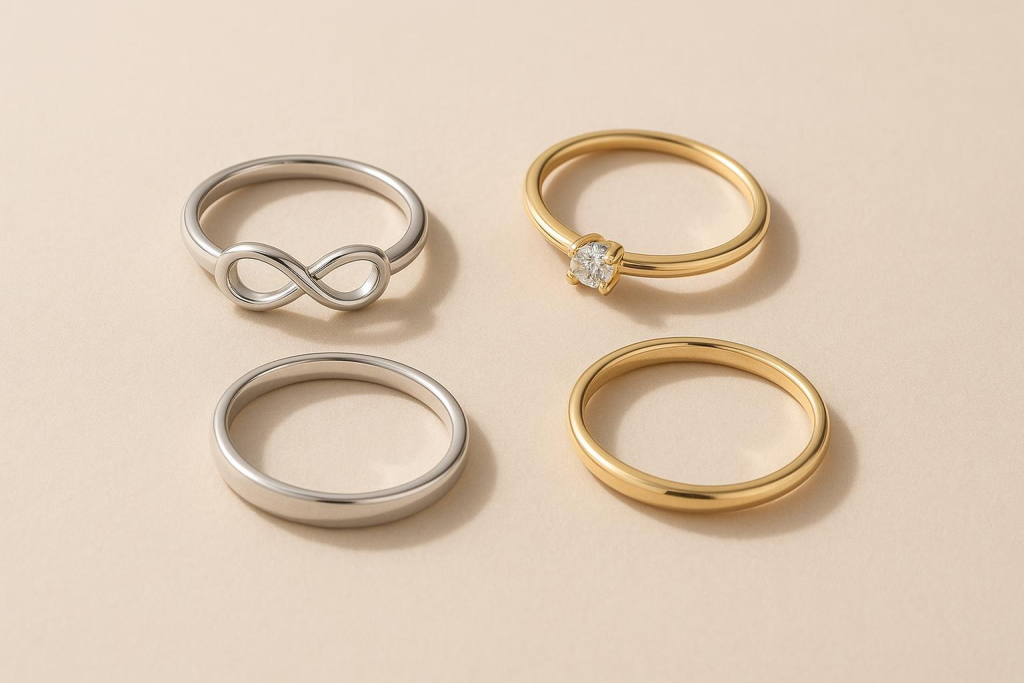
A promise ring is simple in form, but not in meaning.
For some couples, it’s a “we’re serious about this” moment without the pressure of planning a wedding. For others, it’s a personal vow, a long-distance reminder, or a way to mark a milestone that matters.
This guide will help you choose a promise ring that fits your story—without overthinking it or accidentally sending the wrong signal.
What a promise ring means (and what it doesn’t)
A promise ring is a symbol of commitment, devotion, or intention—often romantic, but not always. It can mean exclusivity, “we’re building toward the future,” or simply “I choose you.” There aren’t hard rules, which is exactly why promise rings work for so many different relationships.
What it doesn’t automatically mean: “We’re engaged.” The most helpful move is to agree on the meaning together first—then pick the ring to match.
For examples of common symbolism and motifs (hearts, knots, infinity, engravings), the GIA 4Cs team shares a helpful overview in their guide to promise ring meaning.
Key Takeaway: Choose the promise first (what it represents). Choose the ring second.
Promise ring vs engagement ring: the fastest way to tell the difference
A promise ring signals commitment—an engagement ring signals a decision to marry.
In practical terms, engagement rings tend to be more visually “center-stone forward,” while promise rings are often slimmer, simpler, and easier to wear every day without looking like a wedding set.
If you’re worried about confusion (especially with friends and family), it helps to keep the design modest and avoid a big center stone.
Brilliant Earth breaks down the differences clearly in their promise ring vs engagement ring guide.
What finger do you wear a promise ring on?
There’s no universal rule. What matters is whether you want the ring to look like an engagement ring—or clearly not.
- Right-hand ring finger is a common choice if you want to avoid “Are you engaged?!” questions.
- Left-hand ring finger can also make sense if your promise ring is meant to be “pre-engagement,” and you’re comfortable with people reading it that way.
- Some people wear it on a necklace chain if their job or hobbies are rough on rings.
If you’re buying it as a surprise, this is one of the few places where a quick conversation can save you a lot of awkwardness later.
How to choose a promise ring: a simple 7-step framework
If you’re feeling overwhelmed by options, use this order. It keeps you from paying for features that don’t actually match the promise.
1) Decide the “promise” in one sentence
Examples:
- “We’re exclusive, and we’re choosing each other.”
- “We’re long-distance, but we’re committed.”
- “This is a milestone—anniversary, new chapter, new start.”
That sentence will naturally point you toward the right style (minimal vs. symbolic vs. personalized).
2) Pick a metal that fits your lifestyle (and your skin)
Metal choice isn’t just about color—it’s also about how the ring wears over time.
- Sterling silver: beautiful and budget-friendly, but softer (more likely to scratch and tarnish with daily wear).
- Gold (yellow/white/rose): classic and easy to match with other jewelry; durability depends on the alloy and how hard you are on your hands.
- Platinum: premium, durable for long-term daily wear, and typically a strong option for sensitive skin.
- Tungsten/titanium: very low maintenance and scratch resistant, but they can be difficult (or impossible) to resize—so sizing has to be right.
For a practical overview of how different metals hold up for everyday wear, see GIA’s best ring materials for everyday wear.
⚠️ Warning: If you’re choosing tungsten or titanium, confirm the ring size carefully. Resizing options may be limited.
3) Choose a stone strategy: sparkle, symbolism, or simple
Promise rings don’t need a stone. The best choice depends on what you’re trying to communicate.
- No stone / simple band: clean, understated, and least likely to be mistaken for an engagement ring.
- Small center stone: classic “promise ring” look—sparkly, but still subtle.
- Birthstone or color gemstone: highly personal and great for meaning (month, favorite color, shared memory).
- Two-stone design: a “you and me” vibe without being overly bridal.
If you’re going with diamonds, you’ll want to understand the basics (cut, color, clarity, carat) so you’re not paying for the wrong thing.
4) Pick a style that matches your message
A few popular promise ring motifs (and why people choose them):
- Infinity: “This isn’t a phase. It’s a future.”
- Knot: connection and loyalty—simple, symbolic, and easy to wear.
- Heart: direct and romantic (especially good for a gift).
- Engraved band: the most personal option without needing a big stone.
Blue Nile includes a useful style rundown (infinity, knot, gemstone, engraved, simple bands, and more) in their promise ring guide (already linked above), including common motifs and budget framing.
5) Get sizing right (without ruining the surprise)
This is the step that causes the most regret.
Options that actually work:
- Borrow a ring they already wear on the correct finger (even for one hour) and measure it.
- Ask a friend or family member who might know.
- If you’re shopping together, make it part of the moment—sizing takes 2 minutes and saves weeks of hassle.
Also: fingers change with temperature, time of day, and activity. If you’re between sizes, comfort matters more than perfection.
6) Set a budget range before you fall in love with a ring
Promise rings can be modest or premium. What matters is that the budget fits your life—and the promise fits your relationship.
A practical approach:
- Pick a range you’re comfortable with.
- Spend more only when it changes durability, comfort, or meaning (better metal, more secure setting, personal engraving).
7) Do a 30-second “is this accidentally an engagement ring?” check
Ask yourself:
- Would someone assume this is a proposal ring?
- Is the center stone large enough to change the message?
- Would your partner want that assumption?
If the answer is “no,” keep it slimmer, smaller, or more symbolic.
How much does a promise ring cost?
Prices vary widely, but many promise rings land in a broad “giftable fine jewelry” range depending on:
- Metal (silver vs. gold vs. platinum)
- Stone type and size (none vs. small accents vs. larger center stones)
- Design complexity (simple band vs. multi-stone settings)
- Customization (engraving, special motifs)
Most guides put typical promise ring budgets somewhere in the low hundreds up to around $1,000, with many shoppers choosing the $200–$500 range for a durable, everyday piece. (Blue Nile’s promise ring guide shares an example range, and you’ll see similar bands across major jewelers.)
Pro Tip: If you want the ring to look “fine” without looking “bridal,” prioritize metal quality and a clean setting over carat size.
Buying a promise ring online: quick red flags + policy checks
Online shopping can be great—if you do a few quick checks first.
- Listing quality: clear photos (multiple angles) and a description that states metal purity and stone details.
- Review quality: watch for suspiciously generic reviews.
- Returns: confirm the return window, whether engraving/custom items are final sale, and what counts as “like-new” condition.
Mabel & Main’s guide on red flags when buying rings online and Tirafina’s explainer on what to look for in a jewelry return policy are solid high-level references.
Promise rings FAQ
Can a promise ring be a diamond ring?
Yes. Promise rings can include diamonds—often smaller stones or accent settings. If your goal is to avoid engagement confusion, keep the look subtle.
Do both partners wear promise rings?
Sometimes. Some couples exchange matching rings; others treat it as a one-person gift. Either is normal.
Can you wear a promise ring every day?
Yes, but choose materials that match your lifestyle. If you use your hands a lot, pay extra attention to durability and sizing.
What happens to the promise ring after engagement?
Many people move it to another finger, wear it on the right hand, stack it with other rings, or put it on a necklace chain. There’s no wrong answer.
Next step: shop by the 3 things that matter most
If you want to make this easy, shop in this order:
- Metal color (yellow/white/rose)
- Stone choice (none vs. small sparkle vs. birthstone)
- Style (simple band vs. symbolic motif vs. engraved)
When you’re ready, browse promise rings at # and filter by the features that match your promise.
Shop Unique Couple Rings Set
-
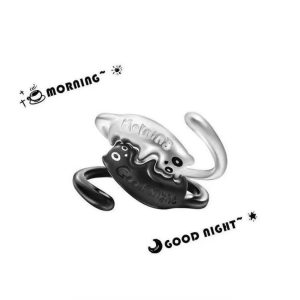
Couple Ring Minimalist Hugging Cat Matching Wrap Ring Adjustable Dainty Statement Jewelry
$28.90 -
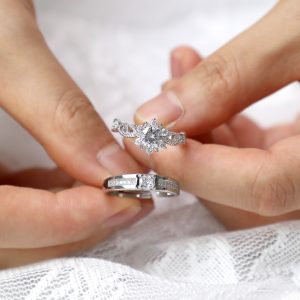
Couple Rings Set Cubic Zirconia Adjustable Promise Ring Matching Set
$22.90 -
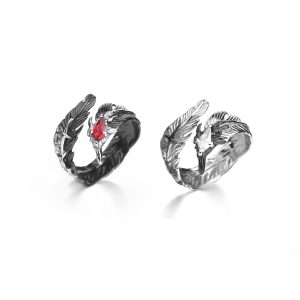
Gothic Feather Matching Promise Rings for Couples – Adjustable Wrap Rings with Rhombus Zircon, Wings of Fate Jewelry Set
$57.90 -
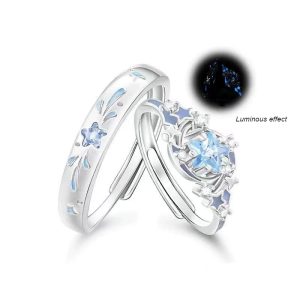
Luminous Star Matching Couple Rings Glow in the Dark Promise Ring Set Adjustable
$57.90 -
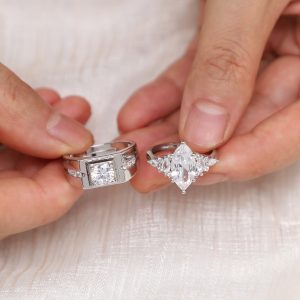
Matching Couple Rings Set Cubic Zirconia Adjustable Marquise & Square Bands
$24.90 -
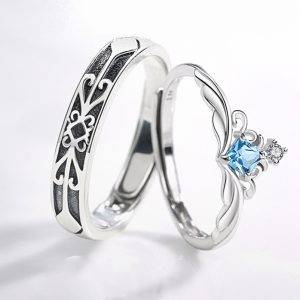
Matching Couple Rings Set, Vintage Carved & Princess Crown Promise Rings, Adjustable Anniversary Jewelry Gift for Lovers
$37.90 -
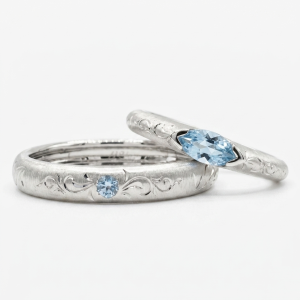
Vintage Engraved Matching Couple Rings Set, Brushed Silver Filigree Promise Rings with Sky Blue Stones, Antique His and Hers Anniversary Bands
$53.90